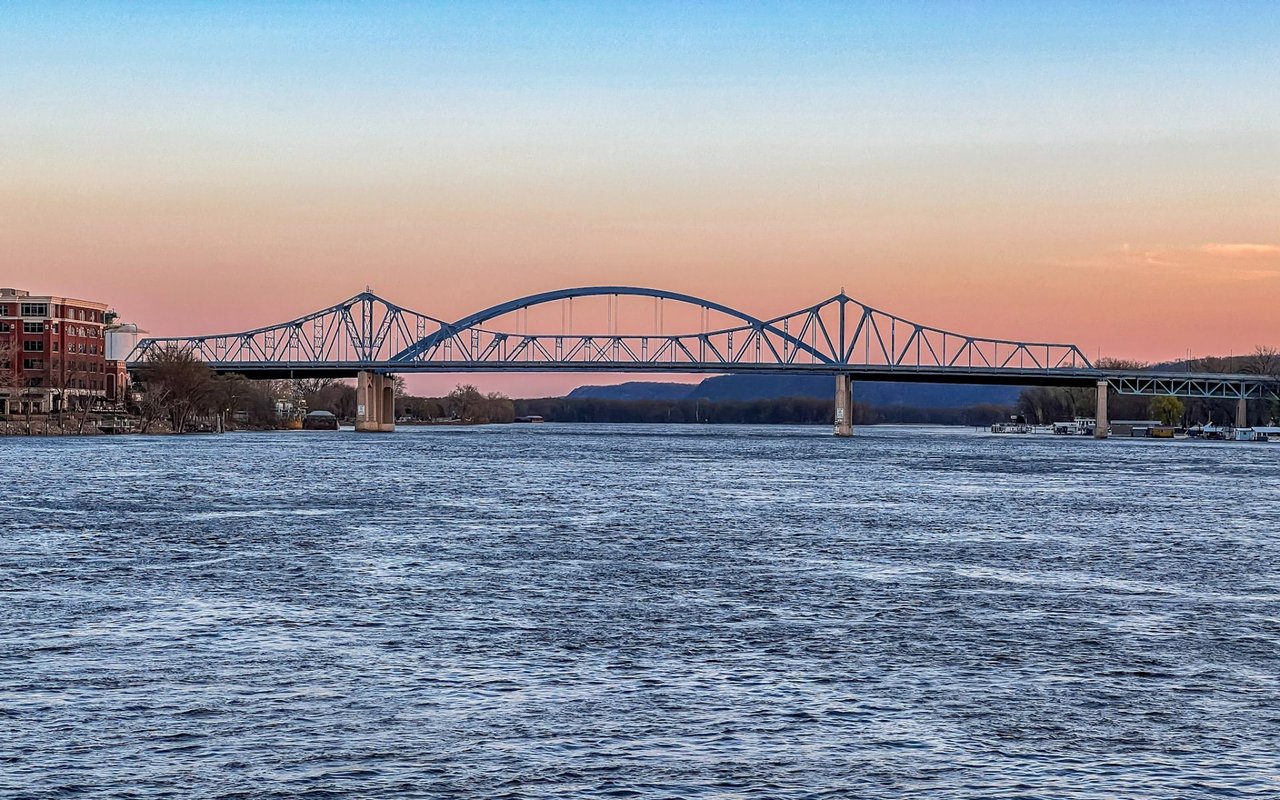
Wondering what daily life in La Crosse, Wisconsin actually feels like? If you are planning a move, comparing Coulee Region communities, or just trying to picture your next chapter, La Crosse stands out for its river setting, short commutes, and strong neighborhood identity. From historic homes near the core to newer housing in growing areas, the city offers a lifestyle that can feel very different depending on where you land. Let’s take a closer look.
La Crosse at a Glance
La Crosse is a small city with a strong sense of place. It sits at the meeting point of the Black and Mississippi rivers and is framed by tall bluffs in the Driftless Area, which gives the city a look and feel that is hard to confuse with anywhere else.
That setting shapes everyday life in a real way. Riverfront areas, downtown blocks, and bluffside neighborhoods each offer a different experience, so where you live can have a big impact on your routine, views, and access to amenities.
The city is also manageable in size. According to U.S. Census QuickFacts, La Crosse has about 50,784 residents and 22,965 households, with a mean commute time of 15.9 minutes. For many people, that means less time in the car and more time enjoying the city itself.
Neighborhood Feel Varies by Area
One of the biggest things to know about living in La Crosse is that it does not feel the same everywhere. Instead of one uniform housing pattern, you will find distinct parts of town with their own character, layout, and day-to-day rhythm.
Downtown Living
Downtown is La Crosse’s main commercial and cultural hub. It sits next to the Mississippi River and Riverside Park, and it brings together retail, hospitality, entertainment, and civic activity in one central area.
If you like being near events, public spaces, and a more active street scene, downtown can offer a convenient lifestyle. It is also closely tied to the riverfront, which gives the area a strong visual identity and easy access to one of the city’s best-known gathering spaces.
Bluffside Areas
Bluffside neighborhoods offer a different pace. The city’s comprehensive plan describes Bluffside as a low-to-medium density area with strong access to parks, trails, and views connected to Grandad Bluff.
For buyers who value outdoor access and a more residential setting, this part of the city may feel especially appealing. It can offer a balance between neighborhood living and quick access to some of La Crosse’s signature natural features.
Logan Northside
Logan Northside covers a broad mix of uses near the Black River. The area includes residential sections as well as heavier industrial uses, along with access to Veterans Park and other community amenities.
This is a good example of why local guidance matters in La Crosse. Even within one larger district, the feel can vary from block to block, so it helps to understand how a specific pocket fits your goals.
Housing in La Crosse
La Crosse has a housing mix that gives buyers real choices. You are not limited to one era, one style, or one type of neighborhood.
In central La Crosse, there is a strong historic-housing presence. The city’s local preservation records include the 10th & Cass Residential District, where housing built from 1858 to 1940 includes styles such as Greek Revival, Italianate, Queen Anne, Prairie School, and American Foursquare.
That means older homes here are not just scattered exceptions. In the core of the city, historic housing is a meaningful part of the market, which can appeal to buyers who want architectural character and established surroundings.
At the same time, La Crosse is not stuck in the past. City housing programs support new owner-occupied lots and affordable multifamily development, and the River Point District has added more than 230 units along with over $70 million in private investment.
For buyers and sellers, that mix matters. It shows a city where historic areas, established neighborhoods, and newer development all play a role in the housing landscape.
Getting Around Is Usually Easy
A lot of people moving to La Crosse want to know how hard it is to get from place to place. In general, daily travel is fairly simple compared with larger metro areas.
The city’s mean commute time is 15.9 minutes, which supports the idea that most trips are relatively short. Whether you are commuting to work, heading downtown, or getting out to parks and trails, the city’s scale tends to make errands and routines more manageable.
La Crosse also has public transit coverage through MTU. The system operates 8 fixed routes and 2 flex routes, with most running seven days a week and covering almost the entire city.
If regional travel matters to you, La Crosse offers more options than some cities its size. La Crosse Regional Airport is located off I-90 Exit 2 on French Island and is served by Allegiant, American, and United, and the city also has an Amtrak station on the Empire Builder route.
Outdoor Life Is a Major Perk
For many people, outdoor access is one of the best parts of living in La Crosse. The city has an impressive park and trail system that supports everything from quick walks to longer weekend outings.
The Parks Department maintains more than 1,500 acres across 47 park sites. The system also includes 27 miles of paved trails and more than 45 miles of natural-surface trails.
Some of the best-known destinations include Riverside Park, Grandad Bluff Park, Hixon Forest, and the La Crosse River Marsh trail system. Those places help make outdoor activity feel like part of daily life rather than something you need to plan far in advance.
Riverside Park is especially central to the city’s lifestyle. It is a 14-acre riverfront park with festival space, bandstand concerts, trail access, canoe and kayak access, fishing access, and seasonal winter lights.
Seasons Shape Daily Life
If you are relocating from outside Wisconsin, it helps to understand that La Crosse has a very real seasonal rhythm. The weather changes not just the temperature, but also how people use the city throughout the year.
January normals are 27.4°F for the high and 10.5°F for the low, with an average of 18.9°F. The month averages 1.25 inches of precipitation and 11.8 inches of snowfall, and sunsets arrive in the mid-4 p.m. hour.
July feels very different. Normal highs reach 85.4°F, normal lows are 64.5°F, and the monthly average is 75.0°F, with 4.23 inches of precipitation and no normal snowfall. Sunsets stretch to roughly 7:30 to 7:51 p.m., which helps create long, active summer evenings.
In practical terms, winter can feel short-day and snow-forward, while summer tends to bring more outdoor activity and community events. If you enjoy a place where the calendar truly changes with the seasons, La Crosse delivers that clearly.
Community Events Help Define the Year
Cities often reveal themselves through the events people return to year after year. In La Crosse, a few seasonal traditions help mark the rhythm of local life.
Riverfest is one of the city’s recurring summer touchpoints. In winter, Rotary Lights at Riverside Park becomes a major seasonal draw, and New Year’s Eve fireworks from Grandad Bluff offer another recognizable community tradition.
These events matter because they add texture to everyday living. They help turn parks and public spaces into places people revisit across the year, not just once in a while.
Who La Crosse May Fit Best
La Crosse can be a strong fit if you want a city that feels accessible without feeling flat or generic. Its geography, neighborhood variety, and blend of housing styles create more lifestyle choice than you might expect from a city of this size.
You may especially appreciate La Crosse if you are looking for:
- Shorter average commute times
- Distinct neighborhood identity
- Historic homes in central areas
- A mix of older housing and newer development
- Strong access to parks, trails, and riverfront spaces
- A city with clear seasonal energy
For buyers, that often means you can focus not just on price or square footage, but on how you want everyday life to feel. Some people want to be close to downtown activity, while others want easier access to trails, views, or a quieter residential setting.
Why Local Guidance Helps
Because La Crosse changes so much from one area to another, it helps to work with someone who knows the local market beyond a map search. A quick drive can take you from historic blocks near the city core to bluffside streets, river-adjacent areas, or sections shaped by different land uses and development patterns.
If you are relocating, moving up, or buying your first home in the area, understanding those differences can make your search a lot more focused. The right local insight can help you match a home to the lifestyle you actually want, not just the listing photos you like online.
If you are exploring a move to La Crosse or want help narrowing down the right area for your goals, Chance Dickman offers practical, local guidance to help you move forward with confidence. Let’s reel in your deal.
FAQs
What is the overall lifestyle like in La Crosse, WI?
- La Crosse offers a small-city lifestyle with short commutes, strong outdoor access, and clear neighborhood differences shaped by the rivers, bluffs, and downtown core.
What are commutes like in La Crosse, WI?
- The mean commute time is 15.9 minutes, and MTU operates 8 fixed routes and 2 flex routes with service across most of the city.
What types of homes can you find in La Crosse, WI?
- La Crosse includes historic homes in central areas, established residential neighborhoods, and newer housing tied to ongoing development such as the River Point District.
What is downtown La Crosse, WI like?
- Downtown is the city’s primary commercial and cultural hub, located near the Mississippi River and Riverside Park, with retail, entertainment, hospitality, and public gathering spaces.
What is outdoor living like in La Crosse, WI?
- Outdoor life is a major part of the city, with more than 1,500 acres of parks, 47 park sites, 27 miles of paved trails, and over 45 miles of natural-surface trails.
What are winters and summers like in La Crosse, WI?
- Winters are colder and snowier with shorter days, while summers are warmer with longer evenings, making the city’s seasonal change a noticeable part of daily life.
Is La Crosse, WI a good place for relocation buyers?
- La Crosse can be a strong option for relocation buyers who want a manageable city, distinct neighborhoods, outdoor amenities, and a housing market with both historic and newer options.